What Is Logistics in Cargo Transport?
Logistics in cargo transport refers to the complete process of planning, managing, moving, storing, and delivering goods from the point of origin to the final destination in a safe, timely, and cost‑effective manner. It is a core part of modern supply chain management and plays a vital role in global trade, e‑commerce distribution, and regional shipping services across the GCC and worldwide.
In simple terms, logistics ensures that the right cargo reaches the right place at the right time and in the right condition. This involves transportation, warehousing, documentation, customs clearance, tracking, and final delivery coordination.
Importance of Logistics in Cargo Transport
Efficient logistics is the backbone of international commerce. Without well‑organized cargo transport systems, businesses would struggle to deliver products, manage inventory, or meet customer expectations.
Key reasons logistics is important:
- Smooth movement of goods between cities, countries, and continents
- Reduced transportation costs through route planning and consolidation
- Faster delivery times for businesses and e‑commerce customers
- Secure handling and storage of shipments
- Improved customer satisfaction through tracking and reliability
For companies operating in the UAE and GCC region, strong logistics services are essential for trade between Dubai, Saudi Arabia, Qatar, Oman, and Bahrain.
Main Components of Cargo Logistics
Cargo logistics is a structured system made up of several interconnected services. Each stage ensures efficiency, safety, and regulatory compliance.
1. Transportation Management
Transportation is the most visible part of logistics. It includes selecting the best shipping mode based on cargo type, urgency, and cost.
Common cargo transport modes:
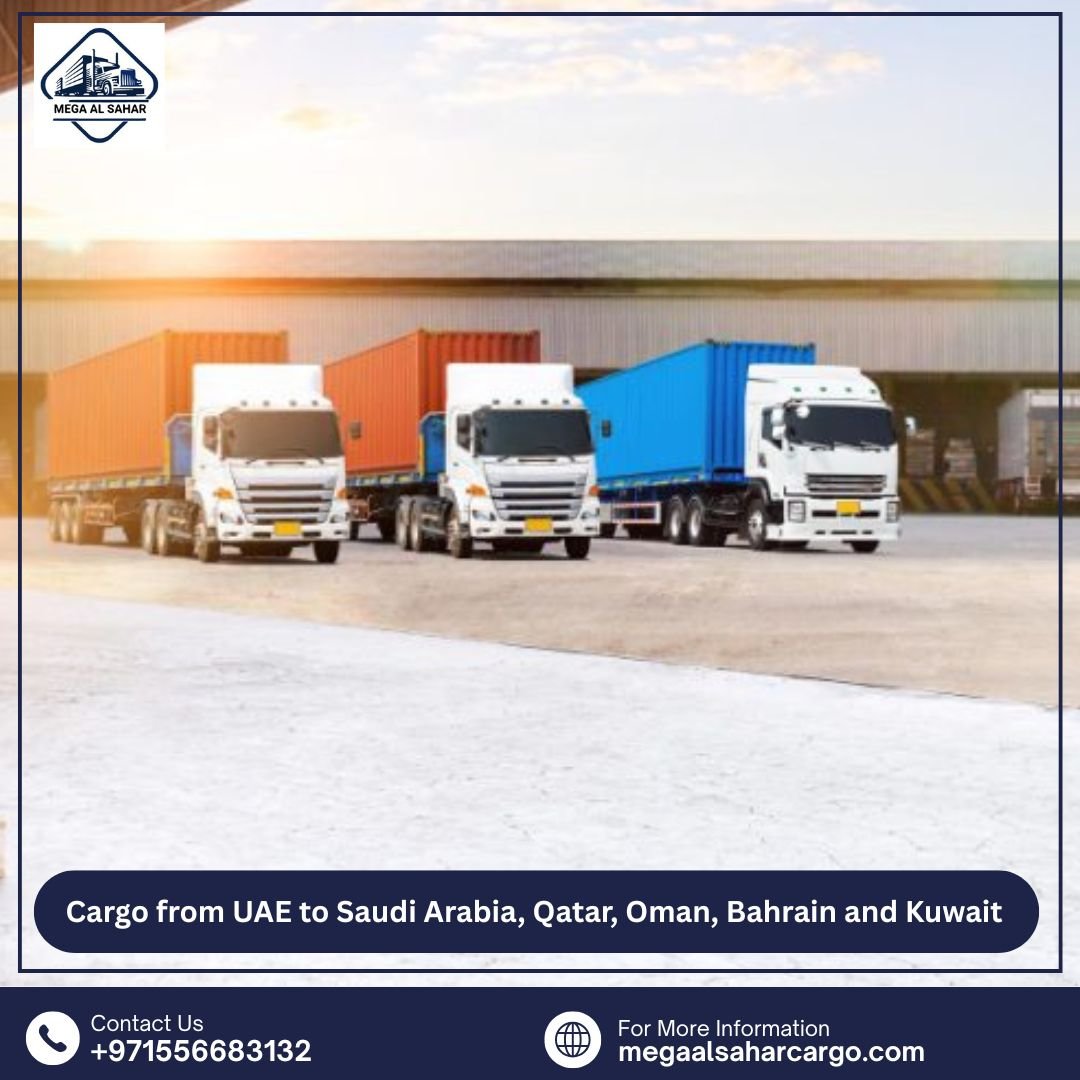
- Road freight – Ideal for GCC shipping and door‑to‑door delivery
- Sea freight – Best for heavy or bulk international cargo
- Air freight – Fastest option for urgent or high‑value shipments
2. Warehousing and Storage
Warehousing allows goods to be stored safely before distribution. Modern logistics warehouses use:
- Inventory management systems
- Temperature‑controlled storage
- Barcode and tracking technology
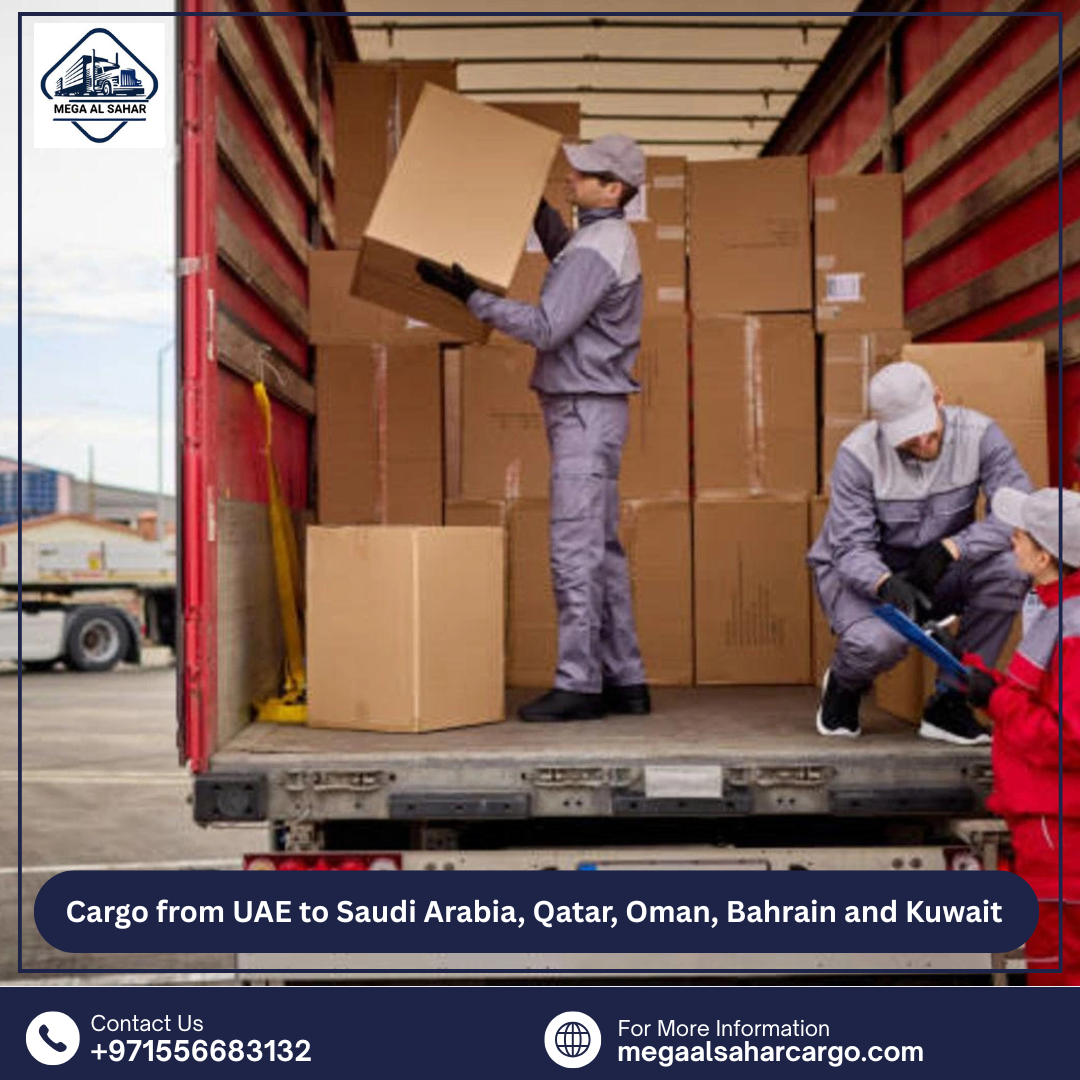
- Secure loading and unloading operations
3. Packaging and Handling
Proper packaging protects cargo from damage during transport. Logistics providers ensure:
- Strong cartons and pallets
- Fragile item protection
- Weight balancing and labeling
- Compliance with shipping regulations
4. Customs Clearance and Documentation
International cargo requires legal documentation and customs approval. Logistics companies manage:
- Commercial invoices and packing lists
- Import/export permits
- Duty and tax processing
- Border inspection coordination
5. Tracking and Delivery
Real‑time tracking systems allow customers to monitor shipment progress. Final‑mile delivery ensures cargo reaches the receiver safely and on schedule.
Types of Logistics in Cargo Transport
Logistics operations vary depending on business needs, cargo size, and destination.
Domestic Logistics
Movement of goods within the same country, such as shipping cargo between cities in the UAE.
International Logistics
Cross‑border cargo transport involving customs clearance, documentation, and multi‑modal shipping.
E‑commerce Logistics
Specialized logistics for online orders, including fulfillment, last‑mile delivery, and returns handling.
Industrial and Heavy Cargo Logistics
Transport of machinery, construction equipment, and oversized cargo requiring special permits and handling.
Role of Logistics Companies in Cargo Transport
Professional logistics providers manage the entire shipping process so businesses and individuals can focus on their core activities. Their responsibilities include:
- Route planning and freight optimization
- Safe cargo consolidation and distribution
- Regulatory compliance and customs handling
- Risk management and insurance support
- Timely delivery across regional and international routes
In major logistics hubs like Dubai, companies provide integrated cargo solutions connecting the Middle East to global markets.
Technology in Modern Cargo Logistics
Digital transformation has significantly improved logistics efficiency and transparency.
Common logistics technologies:
- GPS shipment tracking for real‑time visibility
- Warehouse management systems (WMS) for inventory control
- Transport management systems (TMS) for route optimization
- Automation and AI forecasting for demand planning
- Electronic documentation for faster customs clearance
These technologies reduce delays, minimize costs, and enhance customer experience.
Benefits of Efficient Cargo Logistics
Well‑organized logistics delivers measurable advantages to businesses and consumers.
- Faster order fulfillment
- Lower operational expenses
- Reduced cargo damage or loss
- Better inventory planning
- Stronger global trade connections
For GCC trade routes, efficient logistics ensures reliable cargo movement between the UAE and Saudi Arabia, supporting retail, construction, and e‑commerce industries.
Challenges in Cargo Transport Logistics
Despite technological progress, logistics providers must manage several challenges:
- Border delays and customs regulations
- Rising fuel and transportation costs
- Supply chain disruptions
- Weather and route conditions
- Handling of fragile or hazardous cargo
Professional planning and experienced logistics teams help overcome these issues.
Future of Logistics in Cargo Transport
The logistics industry continues to evolve with innovation and sustainability.
Emerging trends include:
- Green logistics and fuel‑efficient transport
- Smart warehouses and robotics
- Blockchain for secure documentation
- AI‑driven supply chain forecasting
- Faster cross‑border GCC trade integration
These developments will make cargo transport more transparent, eco‑friendly, and efficient.
Conclusion
Logistics in cargo transport is far more than simply moving goods. It is a complete system that combines transportation, storage, documentation, technology, and delivery management to ensure shipments arrive safely and on time.
As global trade expands and e‑commerce demand grows, efficient logistics services remain essential for businesses, especially in major trade centers like the UAE. Reliable cargo logistics supports economic growth, improves customer satisfaction, and connects markets across borders.
Understanding logistics helps businesses choose the right shipping solutions, reduce costs, and achieve faster, more secure cargo delivery in today’s competitive world.